Woodland Management
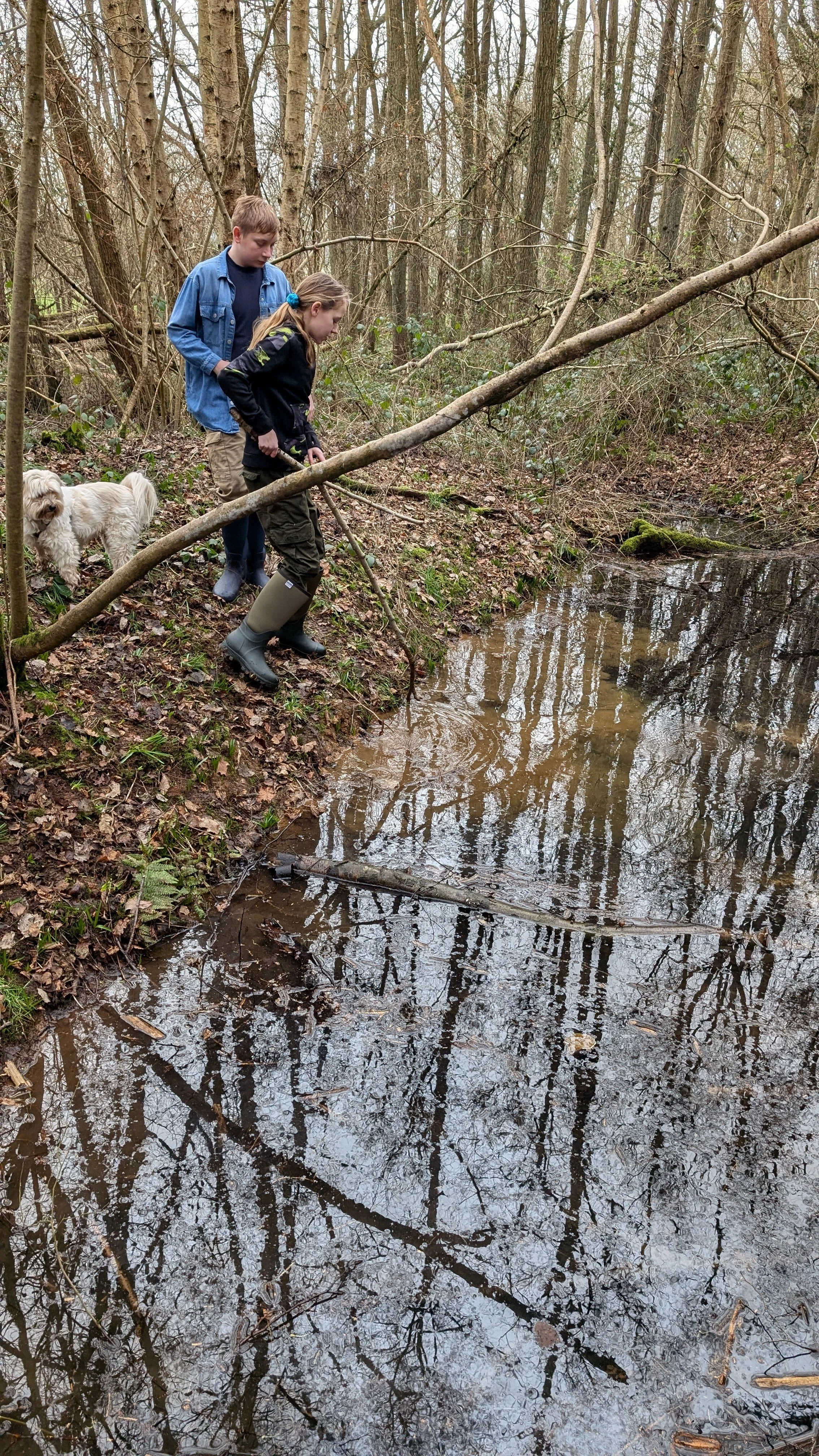
The woodland we look after is 25 acres of ancient, semi-natural habitat, continuously wooded since at least the 1600s. Land like this is genuinely rare, and looking after it properly is the whole reason Walls in the Woods exists. Here's what that means in practice: what we're doing now, where we're heading, and how every visit here plays a part.
“Ancient woodland like this can't be recreated — once it's gone, the soil, the fungal networks, the whole web underneath it goes with it. What we're doing here is small, but it's real: give the wildlife room, and it comes back.”
- Lee (ecologist and conservationist)
The Habitat
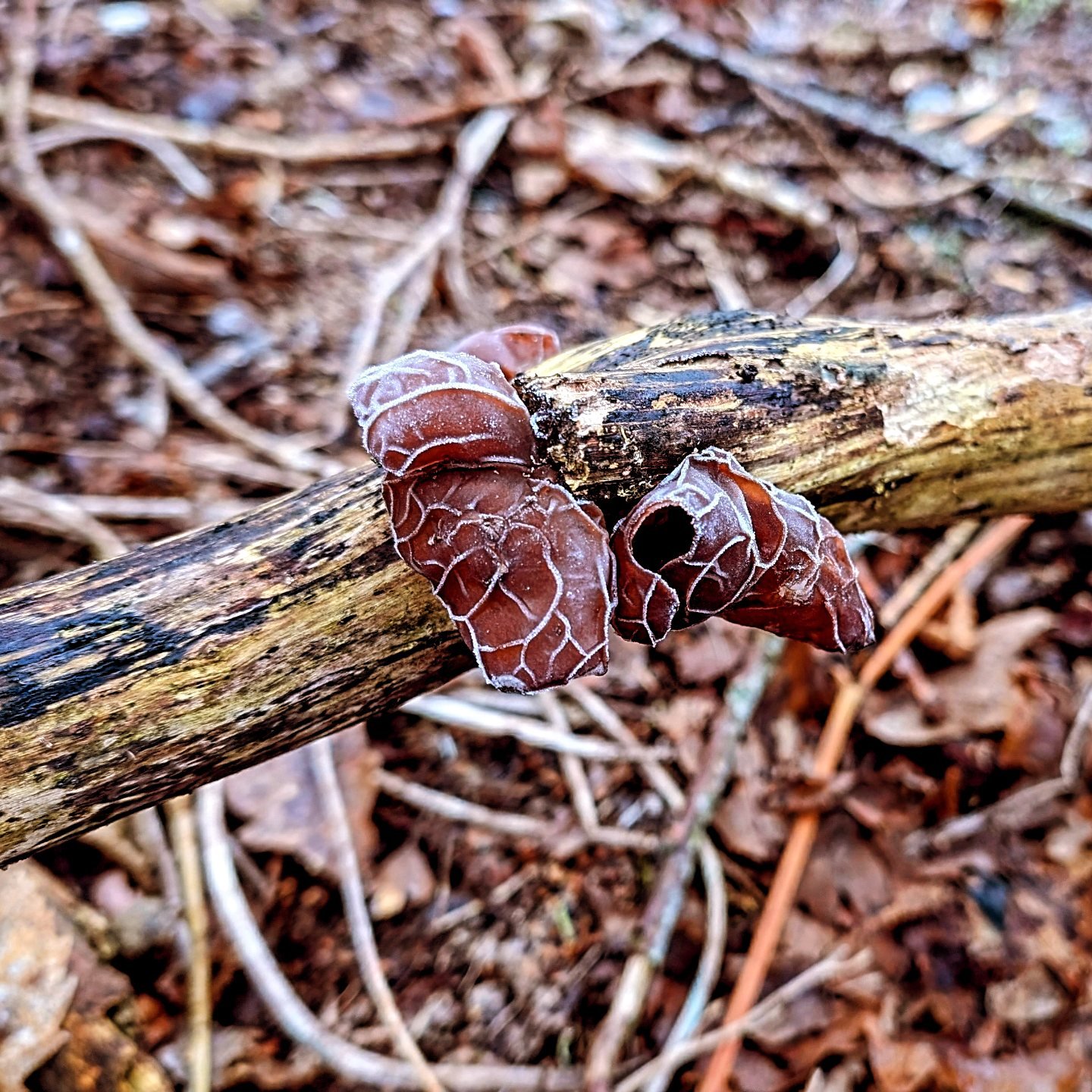
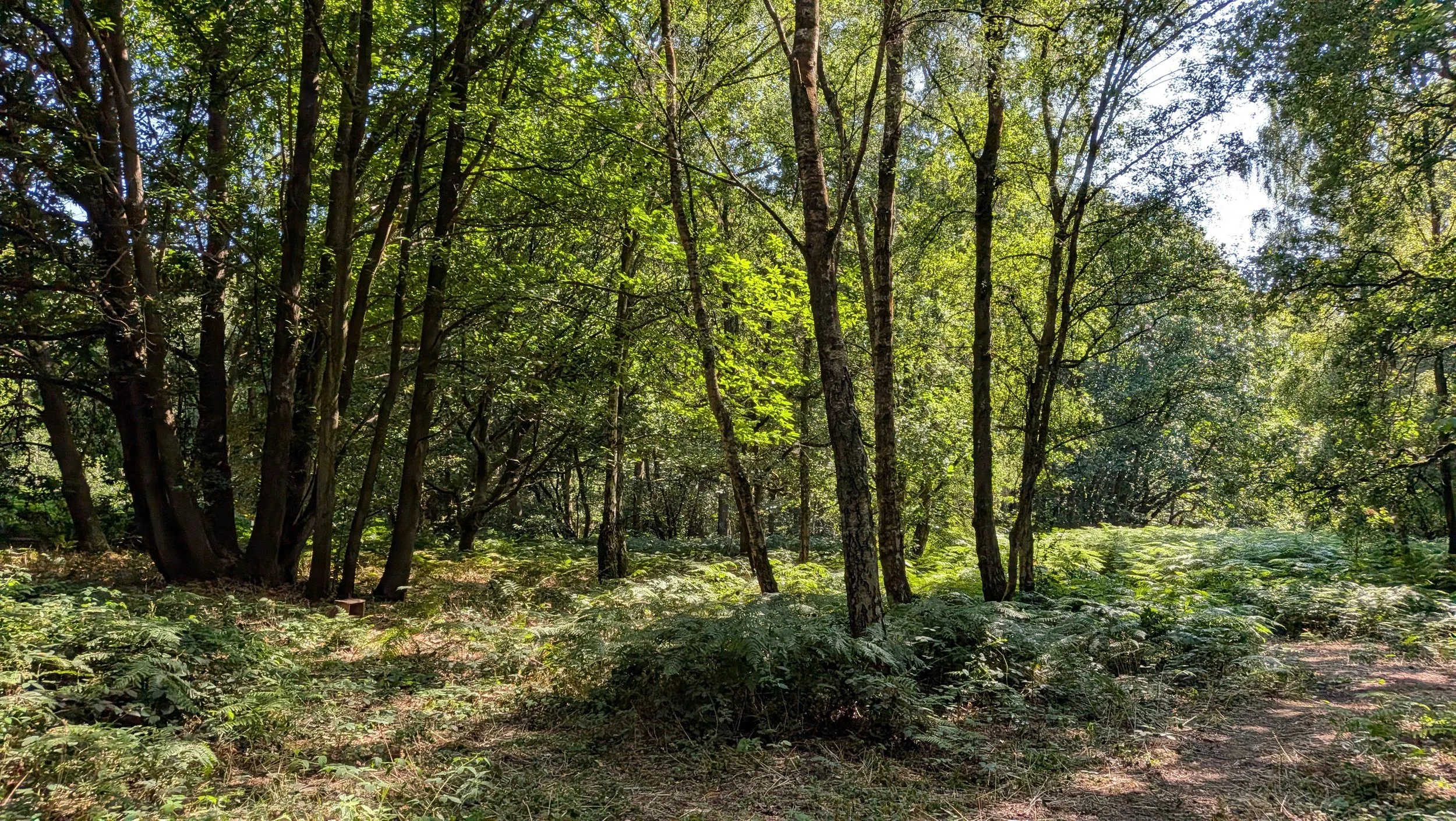
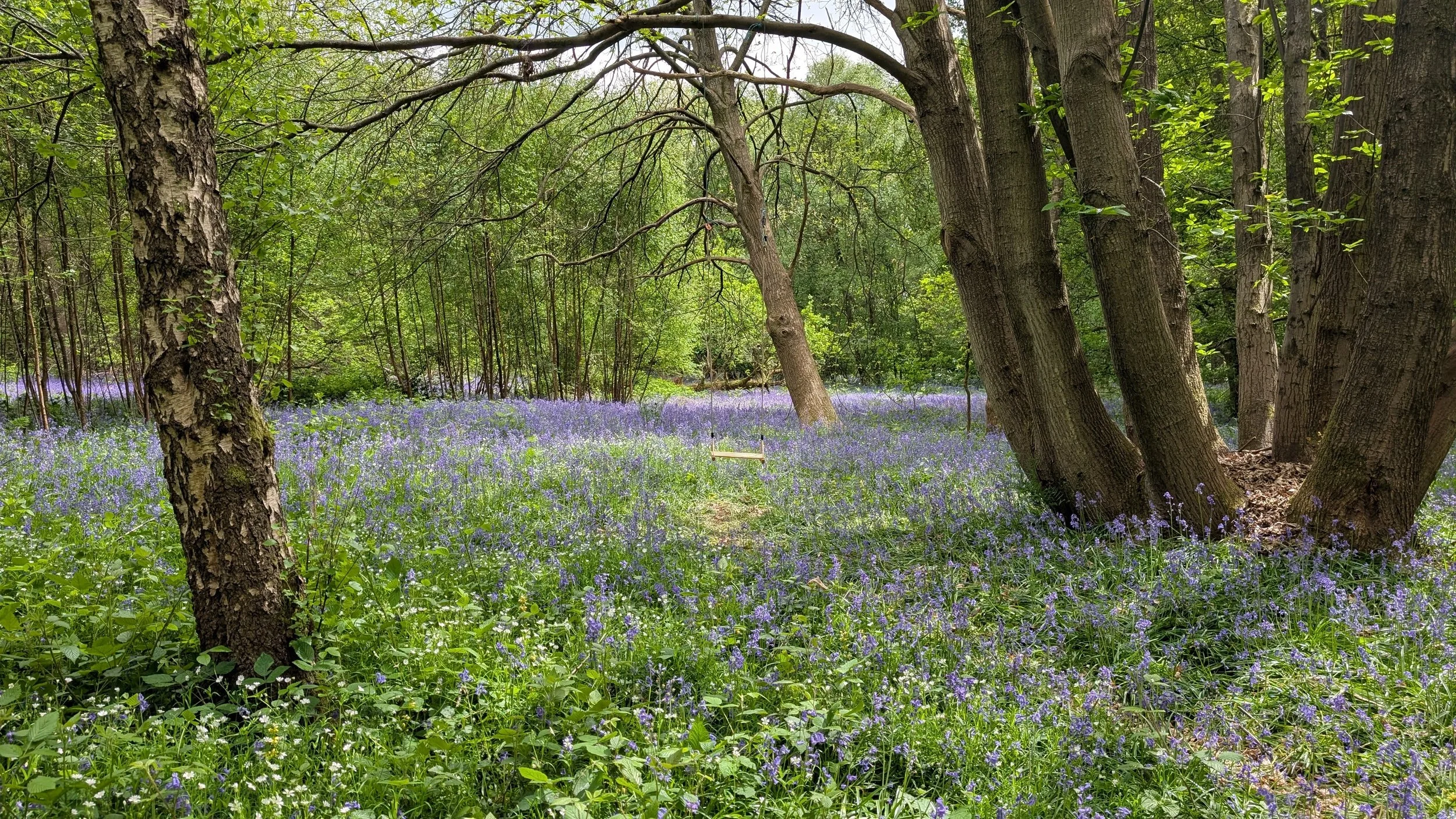
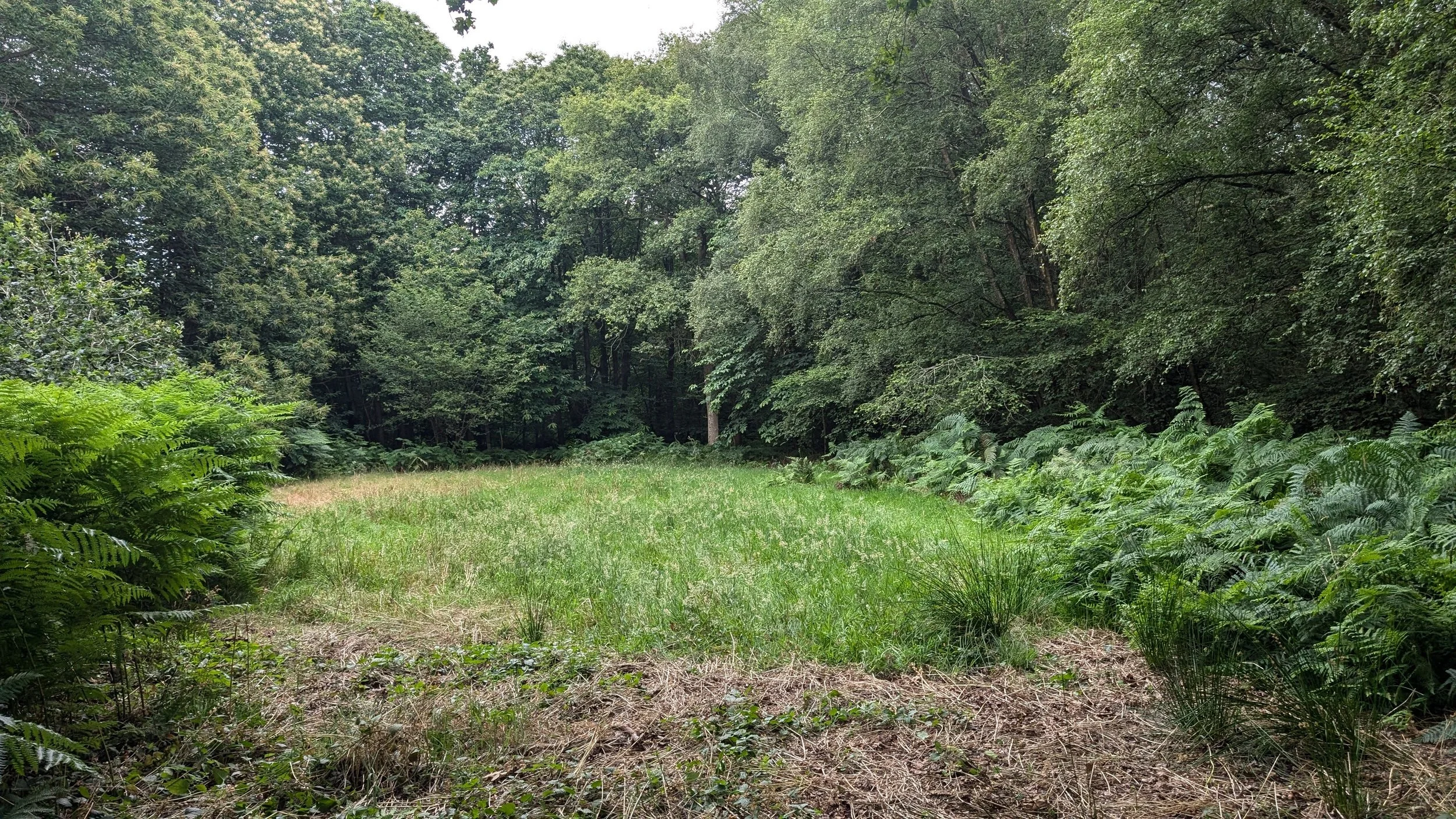
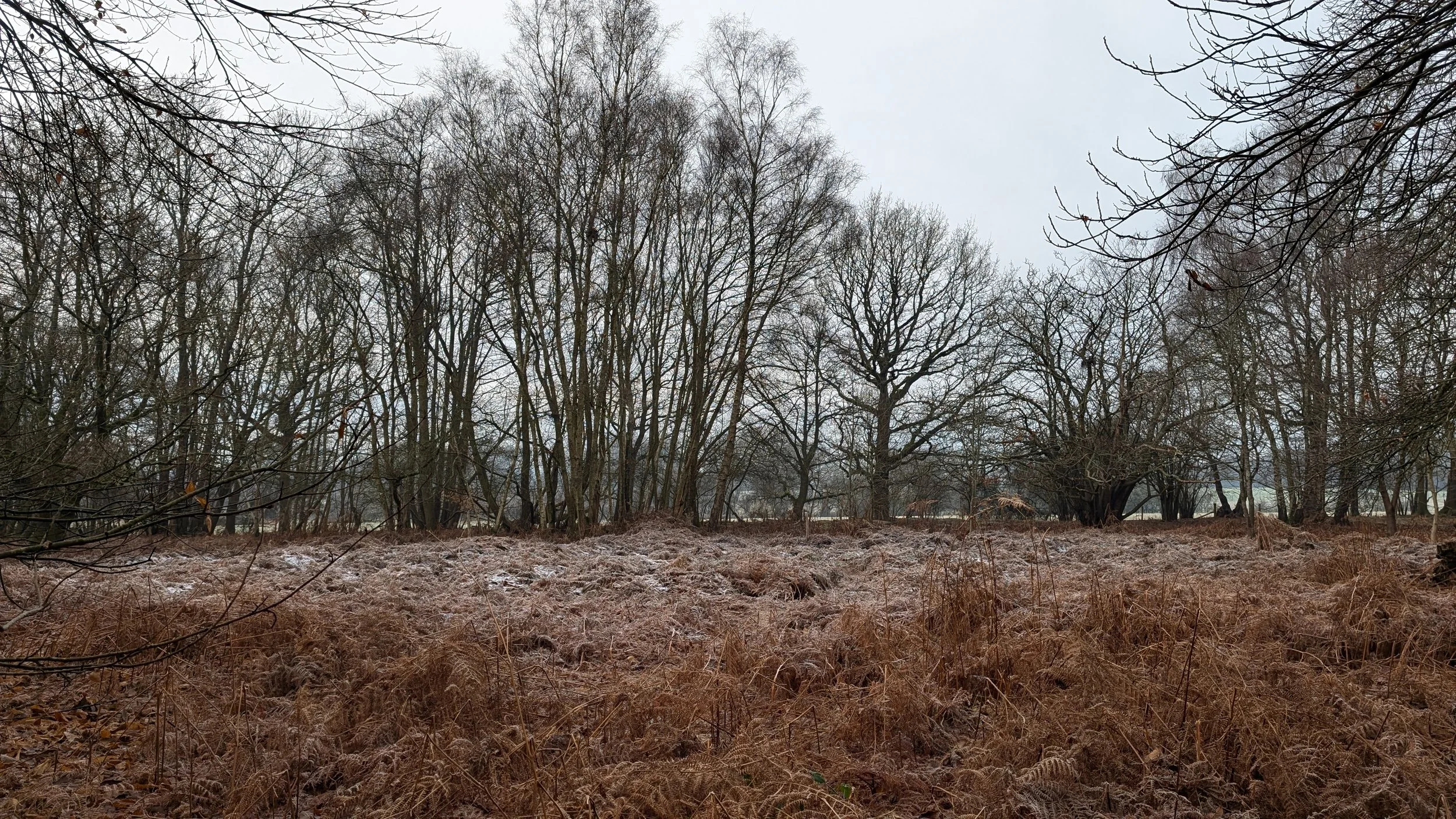
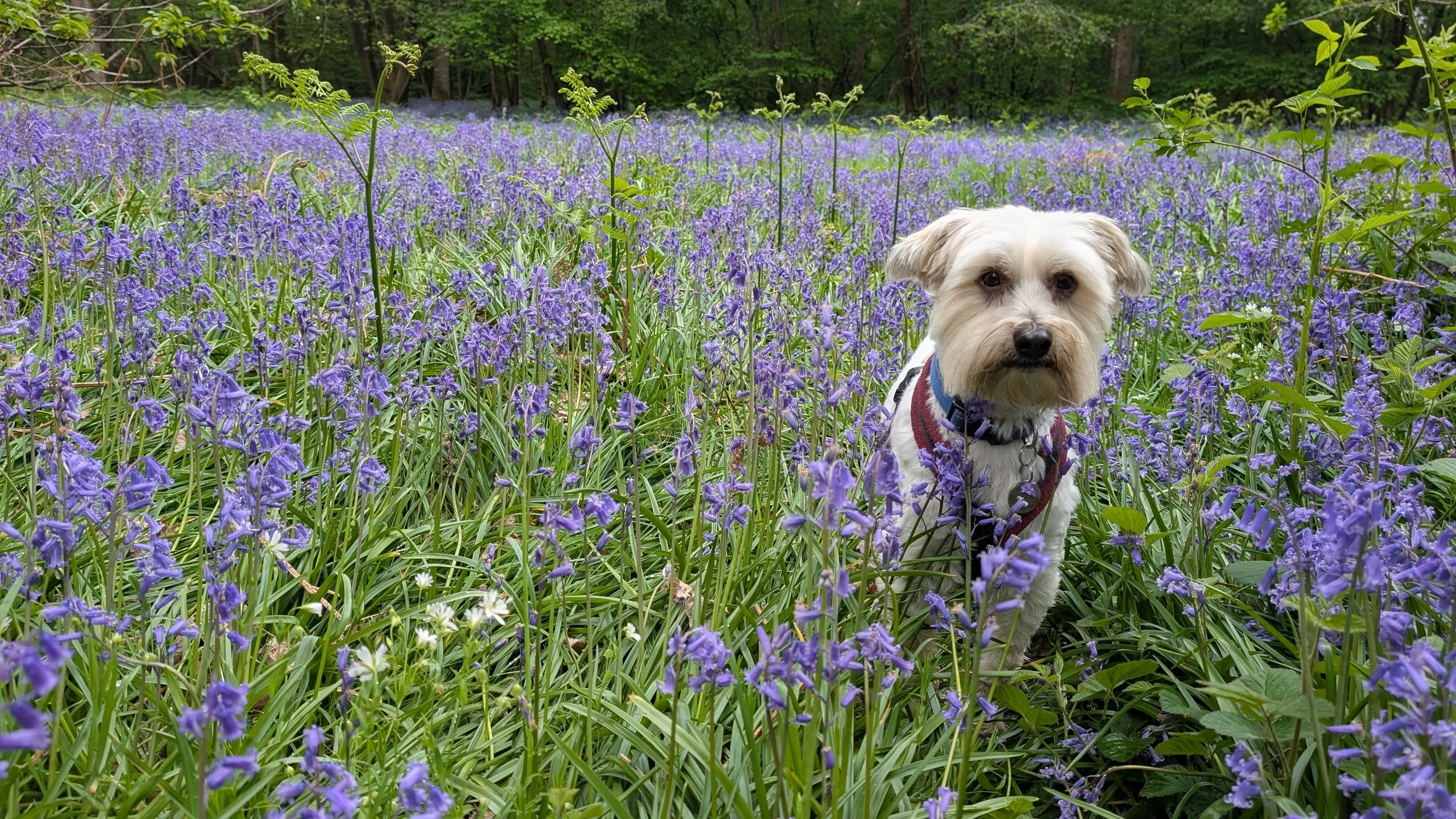
The woodland is made up of three distinct habitat zones, from old-growth oak to seasonal ponds. Come spring, the floor turns blue with native bluebells, and centuries of undisturbed ground have created a rich, layered habitat that supports a real range of wildlife — from birdlife to invertebrates to whatever's living quietly beneath the leaf litter.
It's the kind of variety that only comes from land left alone to be woodland, generation after generation.
What We're Doing
Our current management focuses on two things: coppicing, to bring light back to the woodland floor and support new growth, and increasing biodiversity across the site. This is very much a working plan — one that will evolve as we learn more about what the woodland needs.
Our Goals
We're still early in this journey, and we're building our approach around proper ecological expertise rather than guesswork. Over time, our goal is to see biodiversity across the site genuinely increase — more species, healthier habitat, and a woodland that's in better condition in ten years than it is today. We'll share more detail here as our plans take shape.
How Your Visit Helps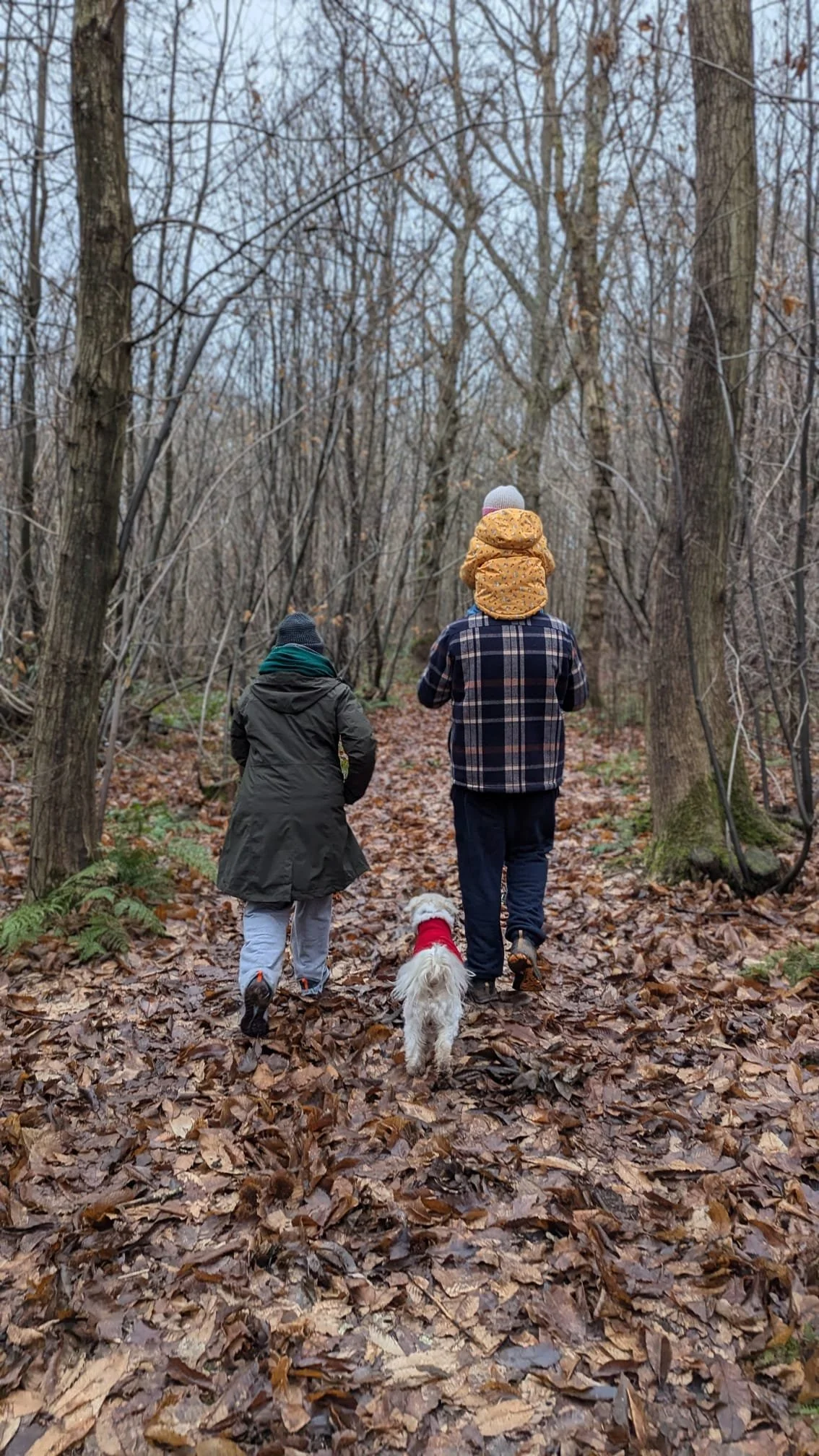
Every experience we run is low impact by design, staying within what the woodland can sustain. The income they generate goes towards woodland upkeep and increasing the wildlife here — so choosing to spend an afternoon with us is, in a small way, choosing to help look after a piece of land that's been woodland since before 1600.